Custom eCommerce Development Services for Growing Businesses

A customer finds the right product. The price makes sense. Checkout works. The order reaches your team without another spreadsheet to fix. That is what a well-built online store should make possible.

Leelija provides eCommerce development services for businesses that want a reliable storefront and a smoother way to sell online. Whether you are launching a new shop, rebuilding an outdated website or connecting commerce with inventory and order systems, we start with the buying journey and the work that happens after a sale.

Our eCommerce website development approach connects design, product data, checkout, integrations and ongoing business needs. You get a store built around how your customers shop and how your team operates, not just a collection of attractive product pages.

Professional eCommerce Development Services

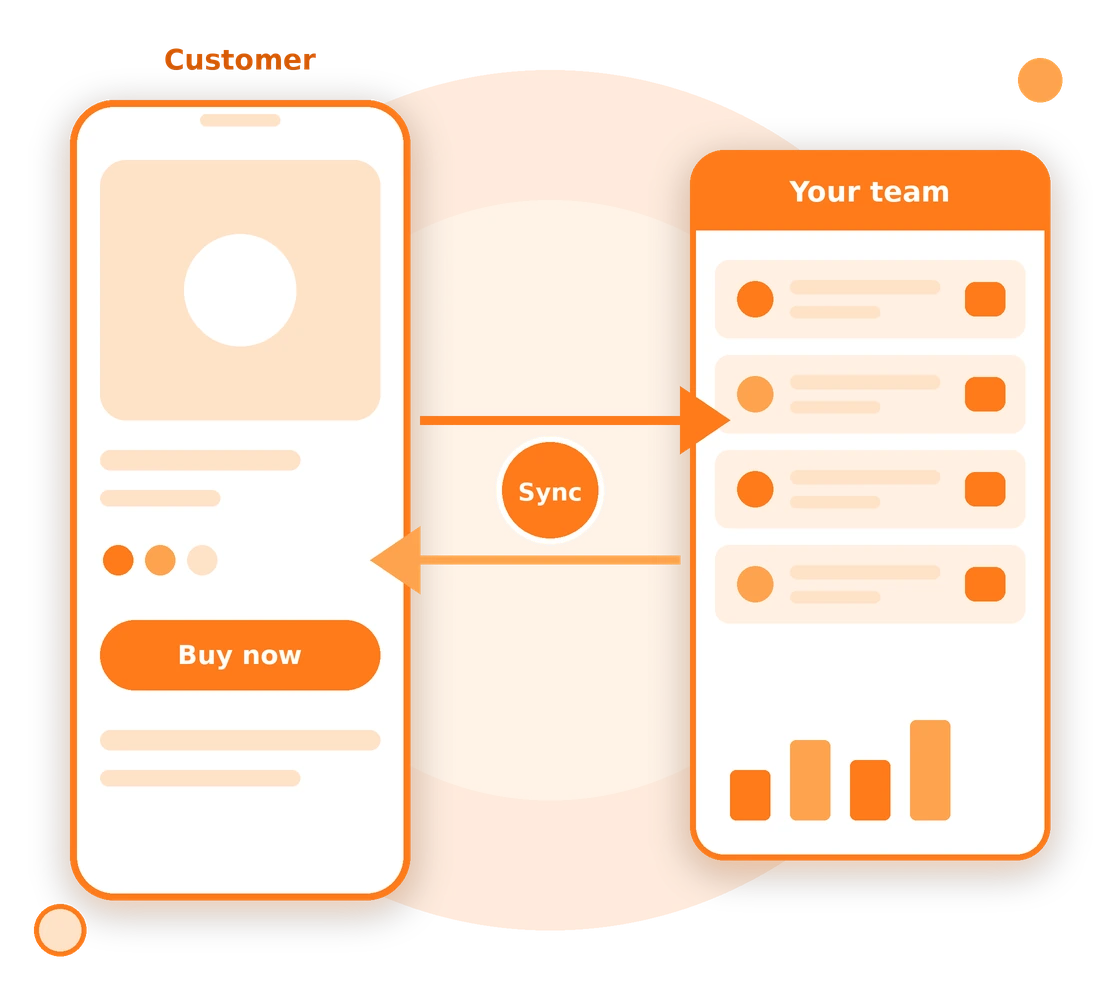
Online selling from the customer side and from your team side

Online selling has two sides. Customers need quick discovery, trustworthy product information and a straightforward checkout. Your team needs accurate stock, manageable orders, dependable integrations and the flexibility to change promotions or products without breaking the site.

SIDE 01

Your customers need

  • Quick discovery
  • Trustworthy product information
  • A straightforward checkout
SIDE 02

Your team needs

  • Accurate stock
  • Manageable orders
  • Dependable integrations
  • Flexibility to change promotions or products without breaking the site

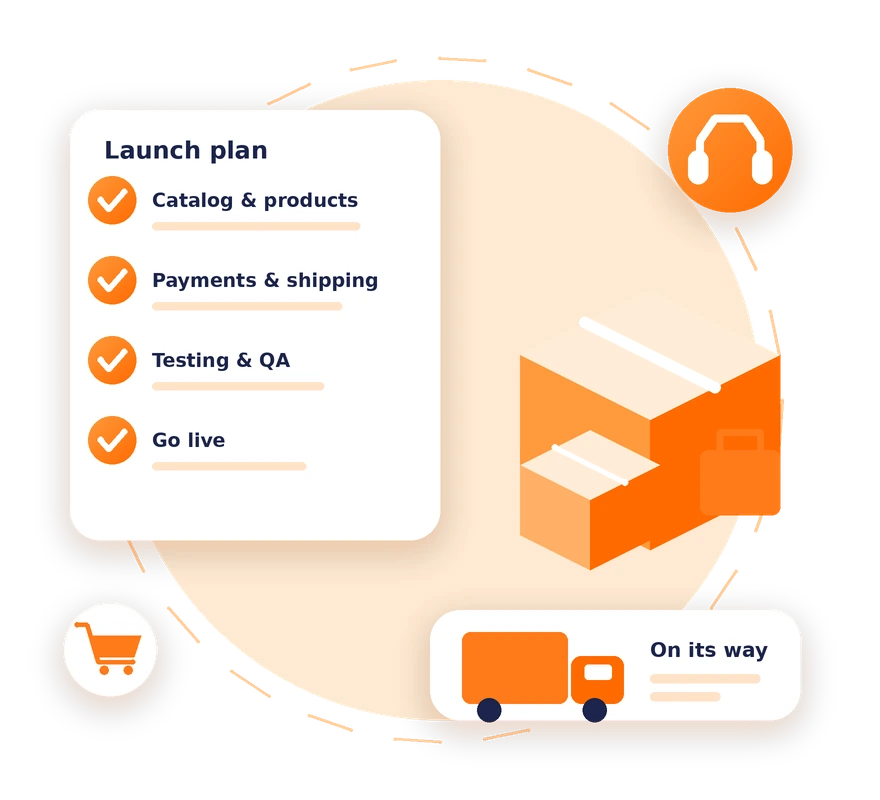
As an eCommerce development company, Leelija approaches both sides together. We review your catalog, sales channels, payment methods, shipping rules, content needs and existing software before recommending an implementation plan.

How Better eCommerce Development Supports Your Business

  • Help shoppers find products through clear categories, search and useful filters
  • Reduce avoidable checkout friction on mobile and desktop
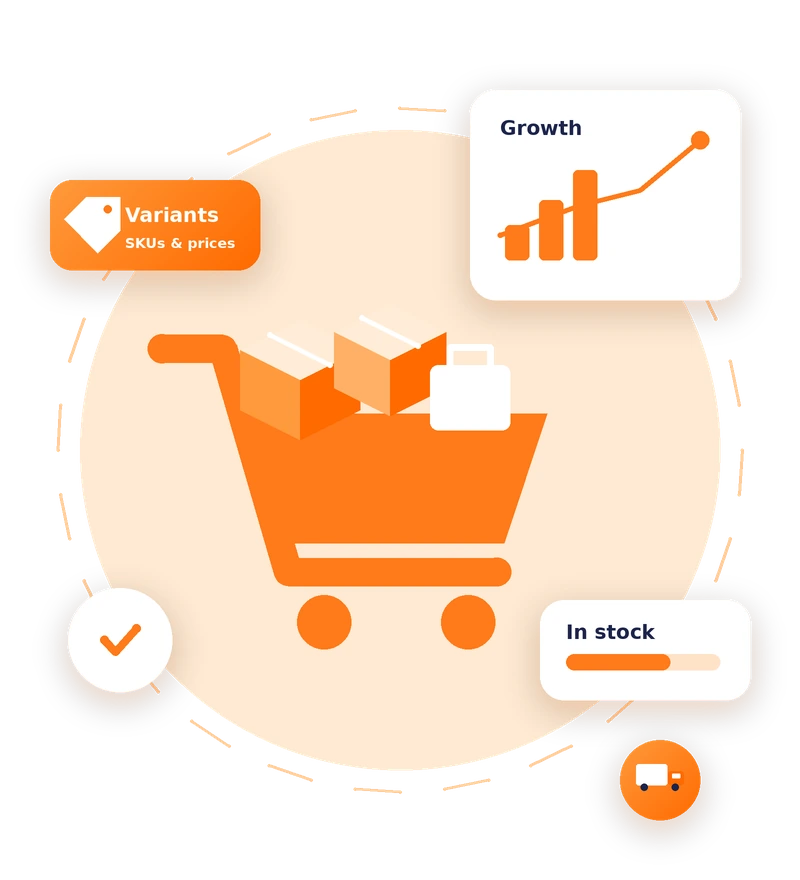
  • Make product variants, SKUs, prices and availability easier to manage
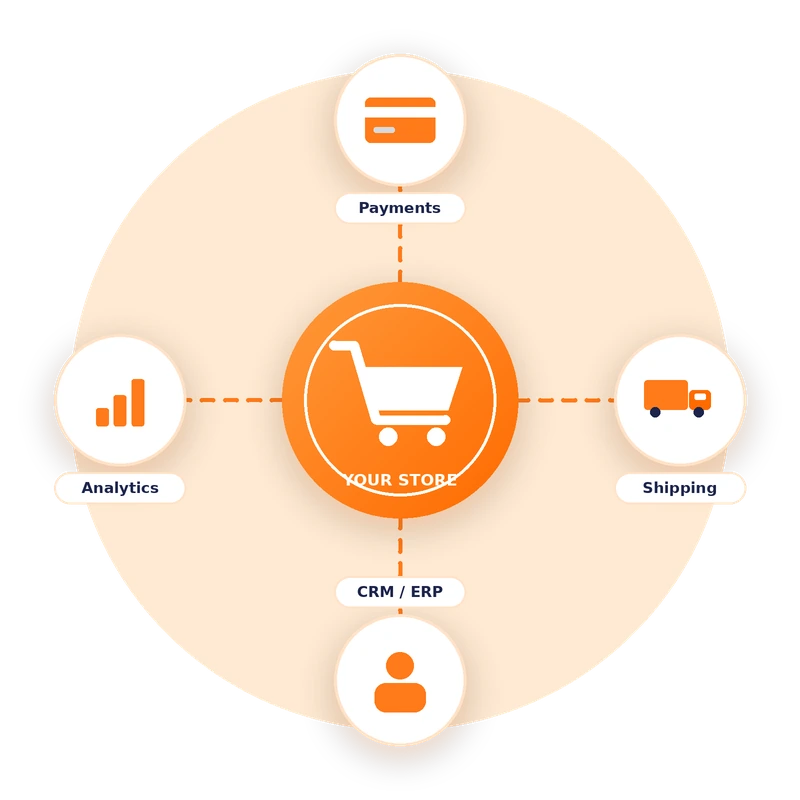
  • Connect orders with payment, shipping, CRM and inventory tools
  • Support promotions, coupons, customer accounts and repeat purchasing
  • Build a technical foundation for performance, accessibility and search visibility
  • Give your team room to introduce new products, regions or selling models
Enterprise workflow checklist with approvals and audit trail

Our eCommerce Website Development Solutions

From a first online store to a marketplace, B2B portal or headless build, each solution starts with your catalog and your operations.

01

Custom eCommerce Website Development

We develop online stores around your brand, product catalog and operational requirements. Work can include responsive storefront templates, product detail pages, search and filters, account areas, cart flows, checkout configuration and administrative tools. We choose custom features where they solve a real problem, rather than rebuilding standard commerce functions without a reason.

02

eCommerce Website Design and Development

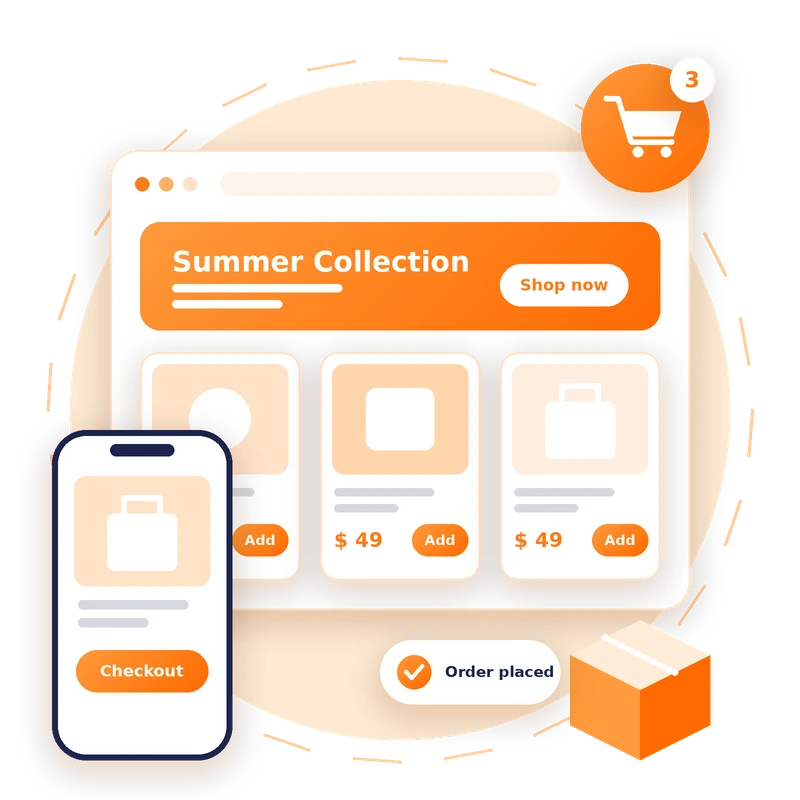
Store design should make buying decisions easier. We plan navigation, category hierarchy, product photography placement, size and variant selection, shipping information and checkout interactions. For more complex customer journeys, our UI/UX Design service can support research, wireframes and prototypes.

03

Online Store Development for New Businesses

Launching your first store? We help define the essential catalog, payment, shipping, tax and fulfillment requirements before development begins. A focused first release can be easier to test and improve than a store crowded with features customers may never use.

04

Custom eCommerce Platform Development

Some business models need capabilities that a standard store cannot comfortably support. We can scope custom commerce workflows, integrations or application components. A fully bespoke platform requires a separate architecture and maintenance assessment because it adds long-term engineering responsibility.

05

eCommerce Website Redesign Services

An outdated store may have slow product pages, confusing categories or a checkout that creates unnecessary work. We assess the current experience, preserve useful functionality and redesign priority journeys without treating a visual refresh as a substitute for technical fixes. See also our Website Design service.

06

Product Catalog and Inventory Management

We structure products, variants, SKUs, attributes and collections so customers can browse and staff can maintain accurate information. When stock is managed elsewhere, we plan synchronization rules and how the store should behave when data is delayed or unavailable.

07

Custom Shopping Cart and Checkout Development

We improve cart clarity, shipping and payment information, discounts, guest checkout and error messages within the selected platform's supported extension model. Checkout changes are tested carefully because small mistakes can affect orders and payments.

08

Customer Accounts and Order Management

Depending on the store, customers may need order history, address management, returns requests, reordering or wholesale account access. We define roles and order states to match actual customer service and fulfillment processes.

09

Multi-Vendor Marketplace Development

A marketplace adds vendor onboarding, permissions, commissions, payouts, moderation and dispute workflows. We treat these as distinct requirements, not a simple extension of a single-seller shop.

10

Headless eCommerce Development

Headless commerce separates the storefront presentation from commerce services through APIs. It may be useful for multiple channels or advanced frontend experiences, but it also increases integration, preview and operational complexity. We recommend it when the business case is clear.

Shopify, WooCommerce and eCommerce Platform Solutions

The best platform is the one that supports your catalog, selling model, budget and operating team. We assess ownership, extension options, hosting, checkout constraints, integration needs and future changes before making a recommendation.

Hosted, WordPress-based and complex commerce platform options

WooCommerce Development Services

+

WooCommerce can be a practical choice for businesses that want WordPress content management alongside online selling. Potential work includes custom product layouts, catalog structures, store integrations and compatible checkout extensions. Cart and Checkout Blocks have specific extensibility requirements, so customizations must be tested against the store's implementation. Learn more about our WordPress Development.

Shopify Development Services

+

Shopify offers a hosted commerce foundation with themes, apps and supported extension points. Storefront customization, app integration and checkout requirements should be checked against the merchant's plan and current Shopify APIs. Some checkout-step UI extensions are restricted to Shopify Plus.

Magento / Adobe Commerce Solutions

+

Adobe Commerce may suit more complex catalog, multi-store or B2B needs, depending on budget and infrastructure. Implementation and ongoing operations can be substantial.

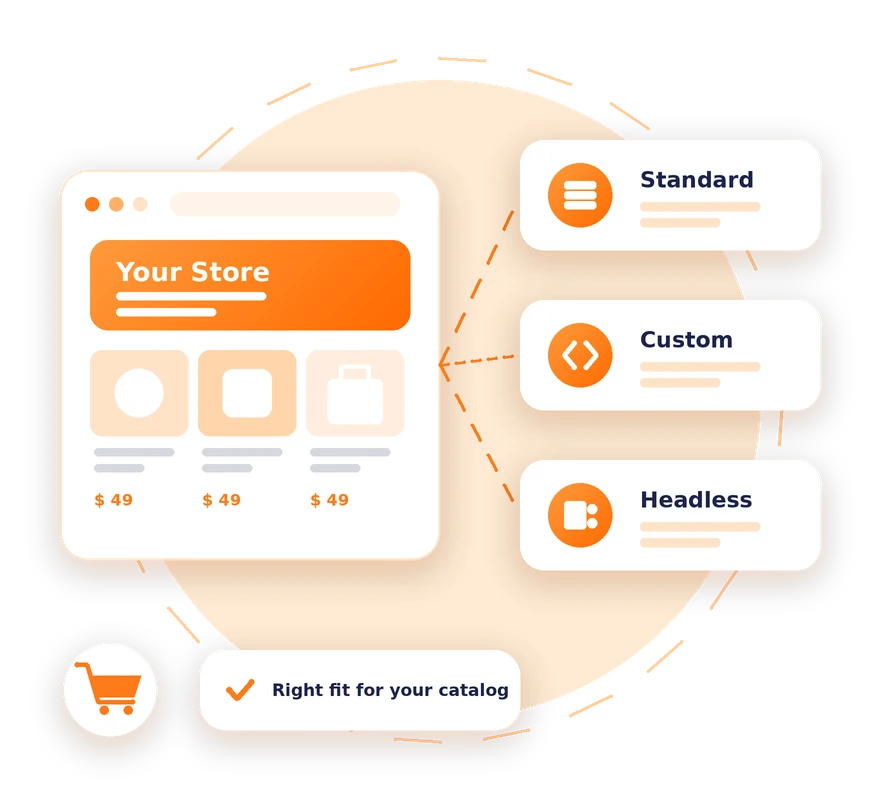
Choosing Between Standard, Custom and Headless Commerce

Standard

A standard platform is often enough for straightforward catalogs and order flows.

Custom

Custom development becomes useful when your business rules or integrations cannot be met cleanly through supported features.

Headless

Headless commerce is an architectural option, not an automatic upgrade.

Commerce for Every Customer

B2B and B2C eCommerce Development

Whether you sell directly to consumers or supply products to other businesses, we build eCommerce experiences around your customers, sales processes and business requirements.

1 / 3

01
B2C eCommerce Website Development
Commerce Model 01

B2C eCommerce Website Development

Consumer stores need clear merchandising, mobile browsing, dependable checkout and effective product discovery. We design around the way people compare items, select variants, evaluate delivery options and complete purchases.

Key Capabilities

Merchandising Mobile browsing Dependable checkout Product discovery

Payment Gateway, Shipping and ERP Integrations

Payment Gateway Integration

We plan supported payment options around your markets and provider requirements. Payment handling should rely on appropriate provider-hosted or tokenized flows where possible, with careful testing of authorization, failures, refunds and order-state updates. PCI responsibilities depend on the implementation and provider.

Shipping, Tax and Fulfillment

We configure or integrate shipping methods, delivery rules, tracking updates and tax calculations according to the merchant's providers and jurisdictions. Complex rules should be validated with the relevant operational and tax specialists.

Online store connected to payments, shipping, CRM, ERP and analytics

CRM, ERP and Inventory Integrations

Orders and customer information often need to move between the storefront and existing systems. We define which system owns each data field, how synchronization works, what happens when an API fails and how staff can identify exceptions. See also Custom Web Development.

Marketing and Analytics Integrations

We can plan event tracking, consent-aware analytics, email integrations, promotions and abandoned-cart workflows within the chosen platform and applicable privacy requirements. Tracking should be validated before it is used for business decisions.

eCommerce Website Migration and Modernization

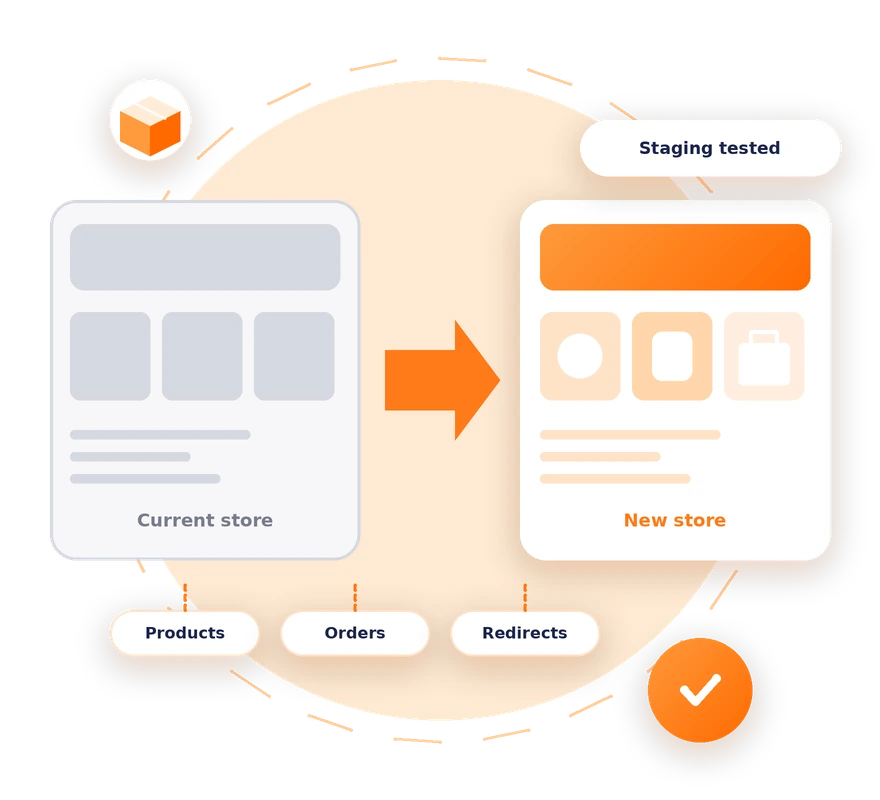
Moving a live online store with a migration inventory, staging and cutover plan

Moving a live store is not just a theme change.

Product data, customer accounts, orders, redirects, payment configurations, integrations and search visibility can all be affected.

Product data Customer accounts Orders Redirects Payment configurations Integrations Search visibility

For an existing store, modernization may mean:

  • Upgrading a theme
  • Simplifying extensions
  • Improving checkout
  • Replacing fragile integrations
  • Rebuilding only the parts that have become difficult to maintain

We start with a migration inventory, test imports in staging and plan cutover steps around business risk.

01

Migration Inventory

Catalog every product, account, order, redirect and integration that has to move.

02

Test Imports in Staging

Run imports away from the live store and check the results before anything changes.

03

Plan the Cutover

Sequence the switch around business risk, so launch day is not a gamble.

Mobile-Friendly and Conversion-Focused Online Stores

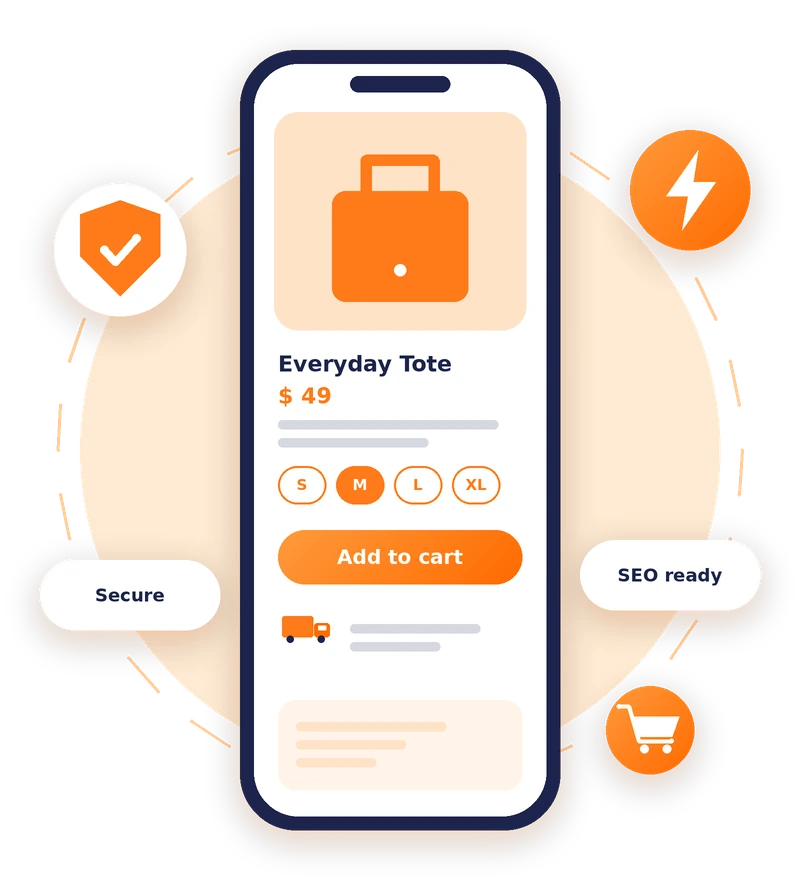
Mobile product page with filters, variants and delivery information

Most buying journeys cross devices, so product information and checkout should work on narrow screens as well as desktops. We prioritize:

Readable details
Usable filters
Accessible controls
Visible delivery information
Sensible form validation

Conversion improvements should come from evidence. We review analytics, customer feedback and checkout behavior, then prioritize measurable changes.

Better design can reduce friction, but it cannot guarantee a particular conversion rate or sales increase.

Performance, Security and Technical SEO for eCommerce

Storefront Performance

We assess image delivery, page assets, caching, application queries and third-party scripts where relevant. Product and category templates need special attention because they often combine images, filters and dynamic data.

Measured, not guessed

Security and Reliability

Commerce security includes software updates, permissions, safe integration practices, backups, monitoring and secure payment architecture. No website can be described as entirely risk-free, and operational safeguards must continue after launch.

Safeguards continue after launch

Search-Friendly Store Architecture

We consider category hierarchy, descriptive URLs, canonical handling, crawlable product pages, structured data where appropriate, internal links and indexation controls. Technical development supports SEO, but content and ongoing optimization belong to a separate search strategy.

Content and SEO strategy are separate

Industries We Served

E-Commerce

Education

Real Estate

Manufacturing

Transportation

ERP Software

Our eCommerce Development Process

01. Business Discovery

We learn about your customers, products, sales channels, fulfillment processes and growth plans to understand your business requirements and eCommerce objectives.

02. Platform and Scope Planning

We compare platform options, integration requirements, budget and operational constraints to select a suitable technology and define the project scope.

03. Store Architecture

We organize catalogs, collections, navigation, customer roles and data flows to establish a clear and scalable structure for your online store.

04. UX and Visual Design

We plan product discovery, product pages, shopping cart and checkout interactions to create an intuitive shopping experience across devices.

05. Development and Integration

We build approved storefront features and connect the necessary external systems, including payment gateways, shipping providers and other business tools.

06. Product Data and Content

We prepare the catalog structure, import product data and review product information quality to ensure accurate and consistent store content.

07. Quality Assurance

We test device layouts, purchasing journeys, discounts, tax and shipping rules, payment processing and error states to verify the store’s functionality and reliability.

08. Launch and Monitoring

We coordinate deployment, redirects where needed, analytics checks and early issue reviews to support a controlled launch and identify initial problems.

09. Improvement and Support

We plan future features, performance improvements and ongoing store maintenance according to your business priorities and a separately agreed support scope.

Why Choose Leelija as Your eCommerce Development Company?

Built Around Your Selling Model

A retail store, wholesale portal and marketplace do not share the same requirements. We begin with your business rules.

01

Design and Engineering Together

Our design and development services can connect shopper experience with practical storefront implementation.

02

Platform Decisions With Trade-Offs

We explain what standard features can handle and where custom development introduces cost or complexity.

03

Integration-First Thinking

We consider order handling, inventory and customer systems before the storefront goes live.

04

Clear Scope and Collaboration

A useful project plan identifies deliverables, dependencies, testing and decisions that require your input.

05

Long-Term Maintainability

We favor supported extensions, documented customizations and a practical plan for post-launch improvements.

Need updates, backups and monitoring later? See Website Maintenance and Support.

06
Let's Build Something Better

Ready to Build or Improve Your Online Store?

Tell us what you sell, where you sell it, which systems you already use and what is slowing you down. Leelija can help you define the right scope for a new store, migration, redesign or custom commerce project.

New store Migration Redesign Custom commerce
Send a store brief to Leelija eCommerce developers
Testimonial

Don't Believe Me
Check What Client
Think Of Us

Frequently Asked Questions

Endurix is a community-driven running club dedicated to helping runners of all levels train smarter, race harder and recover better.

What are eCommerce development services?


eCommerce development services cover the planning, building and integration of online stores, including catalog structure, storefront templates, shopping carts, checkout, payments, shipping, accounts, testing and launch.

How much does eCommerce website development cost?


Pricing depends on the platform, catalog size, custom design, integrations, B2B requirements, migration needs and testing. A simple store and a complex multi-system platform require very different budgets. Request a scoped estimate rather than relying on a universal price.

Which eCommerce platform is best for small businesses?


The best platform depends on your team and requirements. Shopify may suit businesses that prefer hosted commerce, while WooCommerce may suit businesses already invested in WordPress. Compare total operating costs, checkout requirements, integrations and maintenance before choosing.

Shopify vs WooCommerce: which is better?


Shopify provides a hosted platform with plan-specific customization limits. WooCommerce is a WordPress-based solution that involves greater responsibility for hosting, updates and extension compatibility. Neither platform is automatically best for every store.

How long does it take to develop an eCommerce website?


Development time depends on design approval, product data, payment onboarding, shipping rules, integrations and migration complexity. We recommend agreeing on project milestones after the discovery phase.

What is custom eCommerce development?


Custom eCommerce development involves creating or extending commerce features to meet specific business requirements, such as wholesale pricing, unique catalog rules or connections to internal business systems.

Can you migrate an existing online store to another platform?


Yes. Migration can be scoped to include products, customers, order history where supported, URLs, redirects and integrations. The exact data that can be transferred depends on the capabilities of the source and destination platforms.

What integrations does an eCommerce website need?


Common eCommerce integrations include payment gateways, shipping providers, tax services, inventory systems, ERP, CRM, analytics and email platforms. The right integrations depend on your business operations and requirements.

How do I choose an eCommerce development company?


When choosing an eCommerce development company, review relevant project examples, its discovery process, platform-specific expertise, realistic estimates, testing plans and policies regarding ownership of code and accounts.

Do you build B2B eCommerce websites?


Yes. B2B eCommerce projects can include wholesale catalogs, company accounts, pricing rules, quote requests, purchase orders and approval workflows. The required features should be defined before selecting a platform.

Can you develop a multi-vendor marketplace?


Yes. Multi-vendor marketplace development can be handled as a separate scope covering vendor onboarding, commissions, payouts, catalog moderation and dispute management processes.

Can you customize the shopping cart and checkout?


Shopping cart and checkout customization depends on the platform, subscription plan and supported APIs. We evaluate these technical constraints before confirming whether a specific customization is possible.

Do you integrate payment gateways?


Yes. Payment gateway integration can be planned using approved providers and supported payment methods, with attention to transaction states, refunds, payment failures and security responsibilities.

Can you connect my store to an ERP or CRM?


Yes. An eCommerce store can be connected to ERP or CRM systems where suitable integration methods are available. We map data, authentication, synchronization frequency and failure-handling requirements.

What is headless eCommerce development?


Headless eCommerce development separates the customer-facing frontend from backend commerce services using APIs. It offers greater frontend flexibility but usually increases integration and maintenance complexity.

Do you provide mobile-friendly eCommerce websites?


Yes. Responsive design is part of the storefront development scope, with testing for product discovery, forms and checkout across common screen sizes and devices.

Will my eCommerce store be SEO-friendly?


We can build a technical SEO foundation with structured navigation, appropriate URLs and indexable page templates. However, organic search rankings require ongoing content and SEO work and cannot be guaranteed.

Do you optimize eCommerce website speed?


Yes. eCommerce performance optimization may include image optimization, asset loading improvements, caching and investigation of expensive database queries or scripts. Improvements are assessed using relevant performance measurements.

Do you offer eCommerce maintenance and support?


Yes. Ongoing updates, monitoring, backups and bug fixes can be discussed under a separate eCommerce maintenance and support arrangement.

Can I hire eCommerce website developers for an existing store?


Yes. You can hire eCommerce developers for an existing store by sharing your current store URL, platform, requested features, known issues and relevant integrations so the team can assess the project scope.